Sensei Humberto Heyden: Biography & Photographic Archive
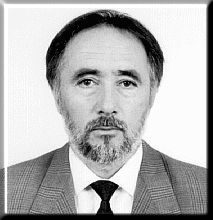
Master Humberto Heyden Sensei (born August 2, 1949), Founder and Master of Shotokai de Chile • 5th Dan Shotokai • Shotokai.cl Pioneer
Sensei Humberto Heyden: Founder of Shotokai de Chile and 5th Dan Shotokai
Official biographical record drawn from the historical archives of Shotokai Karate Budo Chile (shotokai.cl) and official documents authorized by Master Kenjiro Kawanabe and Master Jōtarō Takagi.
Biography • A Lifetime Dedicated to Budo
Humberto Heyden has dedicated his life to the study, training, and practice of Budo. He is the founder and master of Shotokai de Chile and holder of the highest rank granted by the Shotokan School of Tokyo, Japan, founded by Master Gichin Funakoshi (1868 - 1957), the creator of modern Japanese Karate-Do. Upholding the strictest traditional ethics of the founder, Sensei Heyden has steadfastly refused to accept grades higher than the five Dan ranks established by Master Funakoshi.
Born on August 2, 1949, in Concepción, Chile, Heyden began practicing Karate-do at the age of twelve in 1961. Showing singular dedication, he was awarded his 1st Dan black belt in 1969.
Lineage Transmission • Masters Tomeji Ito and Kenjiro Kawanabe
To deepen his technical and spiritual comprehension, Heyden sought direct instruction from Master Funakoshi's senior disciples:
- 1st Dan (1969): Awarded upon completing eight years of dedicated adolescent practice.
- 2nd Dan (1971) & 3rd Dan (1974): Conferred in São Paulo, Brazil, by Master Tomeji Ito (1927 - 2011), direct disciple of Master Gichin Funakoshi and pioneer of authentic Shotokan in South America.
- 4th Dan (1981) & 5th Dan (1989): Jointly awarded by Master Tomeji Ito (Brazil) and Master Kenjiro Kawanabe (Atsugi, Kanagawa, Japan), one of the final direct disciples of Master Gichin Funakoshi.
Having reached the 5th Dan, the apex of Master Funakoshi's ranking hierarchy, Sensei Heyden chose never to adopt subsequent modern commercial gradings, preserving the historical integrity of Tokyo's original Shotokan school.
The Limits of Human Endurance: Nine Hours Daily Training
Sensei Heyden studied History at the Universidad de Concepción. Following the award of his 3rd Dan in 1974, he made the decisive commitment to dedicate his life entirely to intensive martial training, driving his practice to the utmost limits of human physical and spiritual capacity.
Few practitioners worldwide have subjected themselves to such rigorous, relentless discipline across decades: Heyden maintained a demanding schedule of three separate training sessions daily, totaling nine hours of training per day, six days a week. This extraordinary immersion encompassed empty-hand kata, deep stance stability, respiratory refinement, and weapons arts, forging an indomitable spirit and supreme technical economy.
Development of "Karate-Budo" & Founding of Escuela Shotokai de Chile (1974)
As a direct outcome of these years of spiritual search and austere physical conditioning, Sensei Heyden developed the concept of "Karate-Budo". His objective was to restore and solidify the living spiritual link connecting Karate-do with classical Japanese Budo, moving away from sports-oriented combat and instilling in generations of disciples a profound love for keiko (constant practice) as an authentic vehicle for inner transformation and self-development.
His martial expertise extends widely across traditional disciplines:
- Kobudo: Initiated in 1971, mastering traditional Ryukyu and Nippon Kobudo weapon forms (bo, sai, tonfa, kama).
- Tai-Chi Chuan & Aiki-Jutsu: Begun in 1974, studying internal harmony, dynamic balance, and joint-locking techniques.
- Aiki-Budo: Formally added to his teaching curriculum in 1990 upon the persistent request of senior students.
In 1971, Heyden initially created the Shindokan dojo, which operated until 1974. That same year, upon receiving official authorization from Master Kenjiro Kawanabe in Japan, he founded the Escuela Shotokai de Chile, establishing the first official bridge of Shotokai budo between Japan and Chile.
Tokyo Commemorations and Nihon Karate-do Shotokai Recognition
In October 1998, Sensei Heyden was officially invited to Tokyo by the Nihon Karate-do Shotokai (N.K.S.) to participate in the international commemoration of the 130th anniversary of Master Gichin Funakoshi's birth and the 60th anniversary of the founding of the Shotokan Dojo.
During this landmark gathering, Heyden was received as an official member of the Nihon Karate-do Shotokai and confirmed with the rank of 5th Dan NKS directly by Master Jōtarō Takagi, the President and direct institutional successor of Master Funakoshi and Master Egami.
In 2009, Master Jōtarō Takagi and the Nihon Karate-do Shotokai awarded Humberto Heyden a Special Certificate of Recognition for his distinguished international contribution to the dissemination of Karate-do and the global development of Shotokai, on the occasion of the 140th anniversary of Funakoshi's birth and the 70th anniversary of Shotokan. Sensei Heyden travels frequently to Japan to participate in advanced Budo, Bu-jutsu, cultural, and spiritual activities.
Digital Pioneer: Creation of Shotokai.cl and Shotokai.com (1995)
Recognizing the urgent need to protect the historical memory and philosophical integrity of Master Funakoshi and Master Egami's legacy, Humberto Heyden directed his vast knowledge into creating the two foremost Karate-do educational archives in the world:
- www.shotokai.cl: Official portal of Shotokai Karate-Budo de Chile, launched on September 15, 1995.
- www.shotokai.com: The premier international multilingual Shotokai encyclopedia, serving researchers, historians, and practitioners across five continents for over three decades.
Photographic Archive • Historical Practice Plates
Shotokai Karate Budo Chile • Historical Teaching, Training & Seminar Archives
This curated archival gallery preserves the original photographic records of Humberto Heyden Sensei, chief instructor and foundational pioneer of Shotokai Karate Budo in Chile. Spanning landmark beach training sessions in Pingueral and Chiloé, dojo classes at the Universidad de Concepción, public budo demonstrations, and international master seminars, these restored photographs document the living transmission of Shotokai's principles in South America.
[!TIP] Click any photograph to open the interactive full-screen Lightbox viewer. Use arrow keys or on-screen buttons to cycle through the archival plates.
Humberto Heyden Portrait
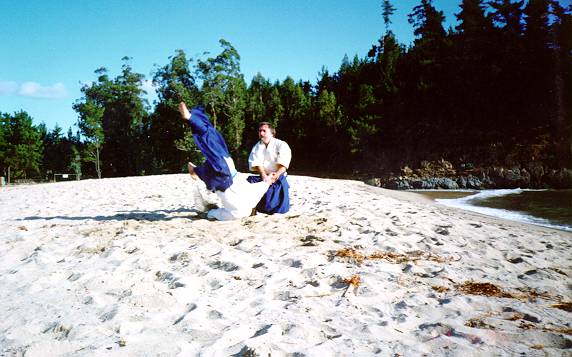
Aikijutsu training Pingueral
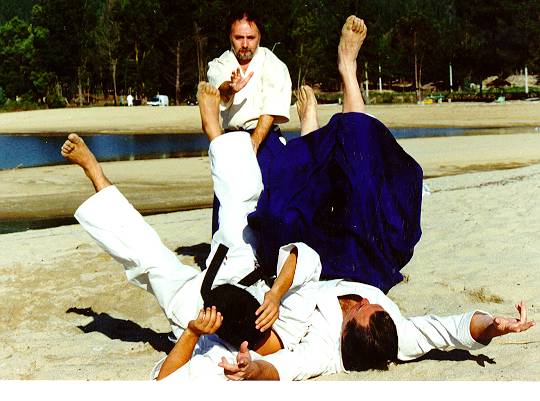
Aikijutsu training Pingueral
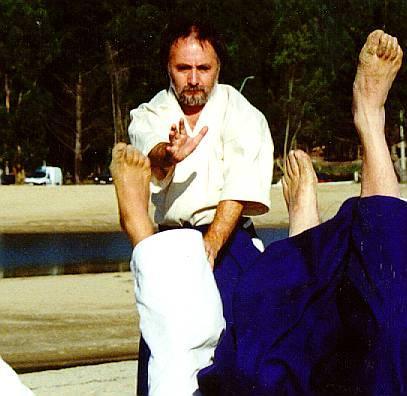
Aikijutsu training Pingueral
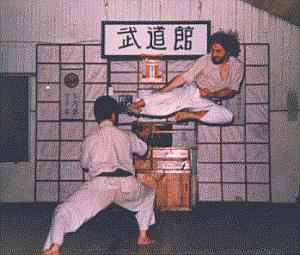
Training Laja Dojo
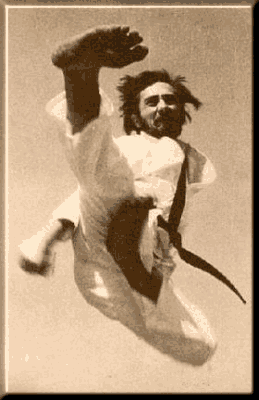
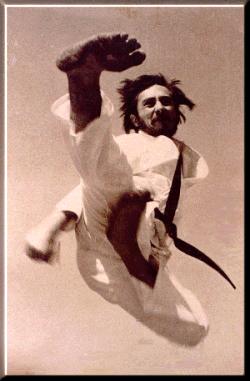
Tobigeri
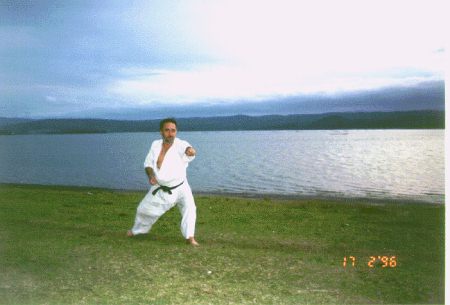
Training
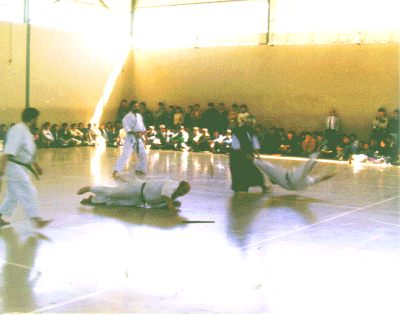
Exhibition Universidad de Concepción
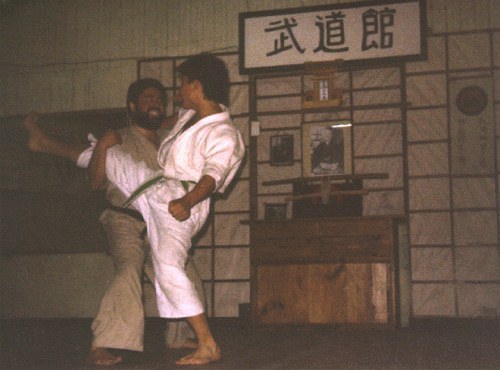
Training Laja Dojo
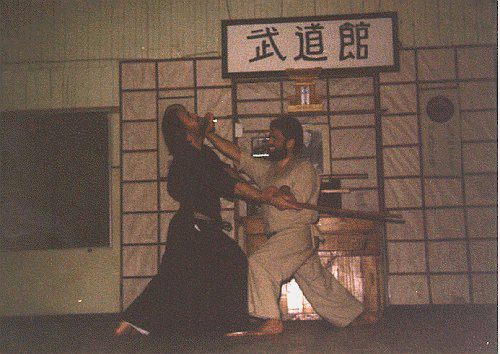
Training Laja Dojo
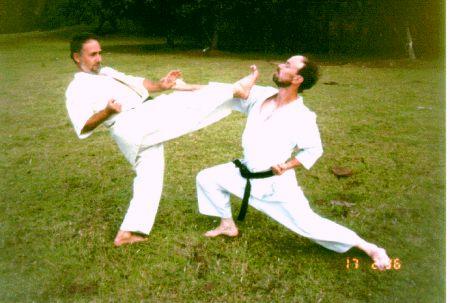
Training
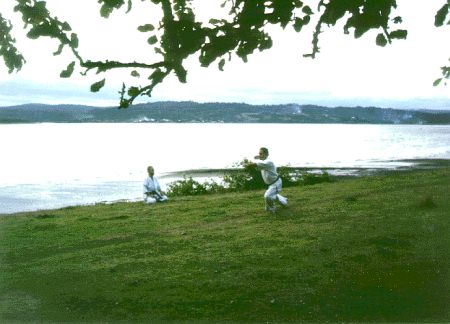
Training
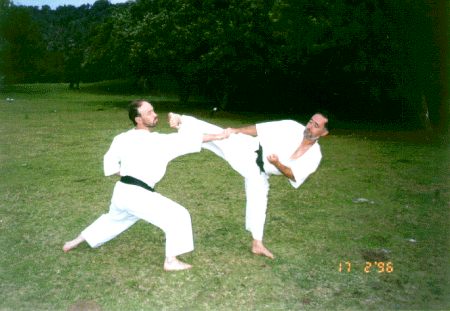
Training
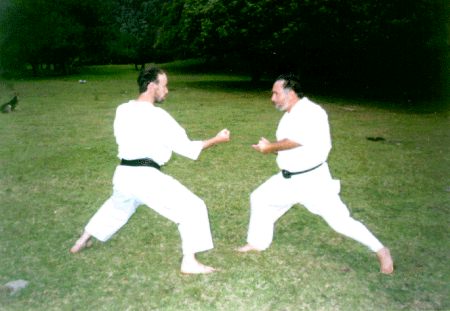
Training
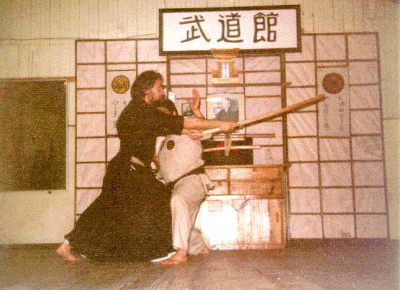
Training Laja Dojo
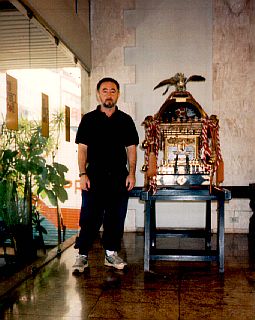
In Japan
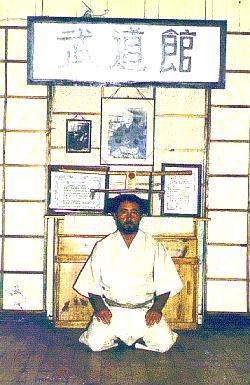
Training Laja Dojo
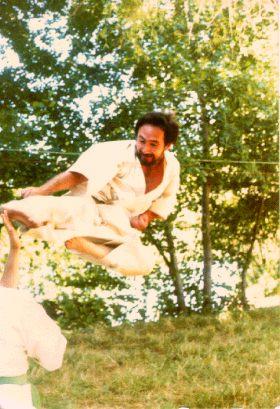
Training
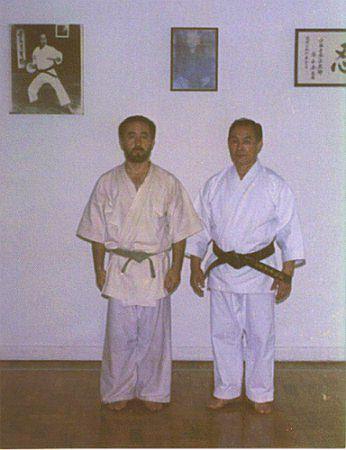
With Tomoji Ito
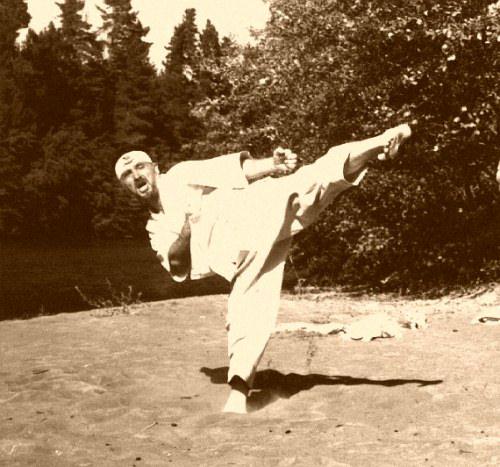
Training
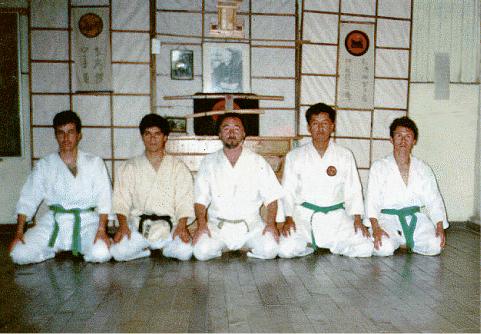
Training Laja Dojo
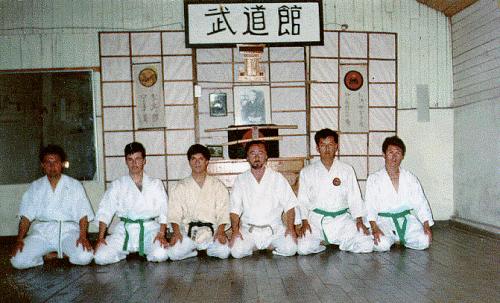
Training Laja Dojo
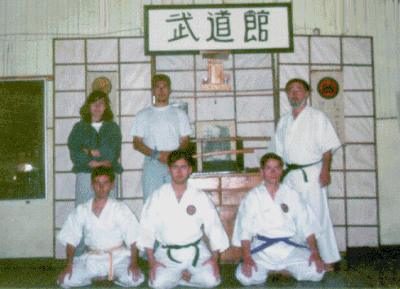
Training Laja Dojo