Traditional Greetings and Bowing (Rei) in Karate-do
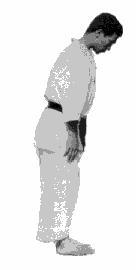
Master Hiroyuki Aoki demonstrating the classical standing bow (Ritsu-rei) in traditional Karate-do.
The first and foundational precept of Master Gichin Funakoshi's Shoto Niju Kun states with absolute clarity: "Karate-do wa rei ni hajimari, rei ni owaru koto" ("Karate-do begins and ends with courtesy and respect").
In traditional Japanese Budo, bowing (Rei, 礼) is not a gesture of subservience, nor is it a hollow theatrical routine. It is the outer physical expression of an inner attitude: humility, vigilance (Zanshin), mutual respect, and the conscious recognition that one's training partners are indispensable mirrors for one's own spiritual progress.
The Two Fundamental Bows in Traditional Karate
Classical practice recognizes two primary forms of salutation:
1. Ritsu-rei (立礼 - Standing Bow)
Ritsu-rei is the standard standing salutation employed upon entering or departing the dojo, when facing a partner before and after Kumite or drills, and prior to commencing a Kata.
- Stance: Executed from Musubi-dachi (heels touching, toes flared outward at roughly 45 degrees, legs straight but never stiff).
- Alignment: The spine remains straight and long. The bow originates entirely from the hips, inclining the upper torso forward approximately 20 to 30 degrees.
- Hands: The palms rest naturally and lightly against the outer thighs, fingers together.
- Eyes & Awareness: While the head inclines in harmony with the spine, the practitioner maintains unbroken martial awareness (Metsuke / Zanshin), avoiding excessive lowering of the gaze that would compromise balance or focus.
2. Za-rei (座礼 - Kneeling Bow)
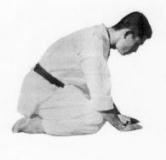
Za-rei is the ceremonial bow performed from the formal kneeling posture (Seiza). It is conducted during the formal opening and closing ceremonies of practice, directed successively toward the Kamiza (Shomen ni rei), the master (Sensei ni rei), and between fellow practitioners (Otagai ni rei).
- Execution: From Seiza, the hands move from the thighs down to the tatami in front of the knees, left hand preceding the right slightly, with thumbs and index fingers forming a subtle triangle.
- Descent: The torso bends forward smoothly without lifting the hips from the heels. The elbows remain close to the ribs.
- Spirit: The movement embodies stillness, calmness of breath, and deep gratitude for the shared pursuit of the Way.